BECT SDK enables high-quality, real-time video inside applications by reducing video data footprint at the source, without compromising latency or visual accuracy.
BECT SDK reduces the data footprint of real-time and embedded video within your own application environments, enabling stable, low-latency communication across variable and constrained networks.
Real-time performance suitable for interactive video applications
Up to ~80% smaller video data without quality loss
SDK designed for direct integration into application video pipelines
Structured integration, validation, and scalable rollout model
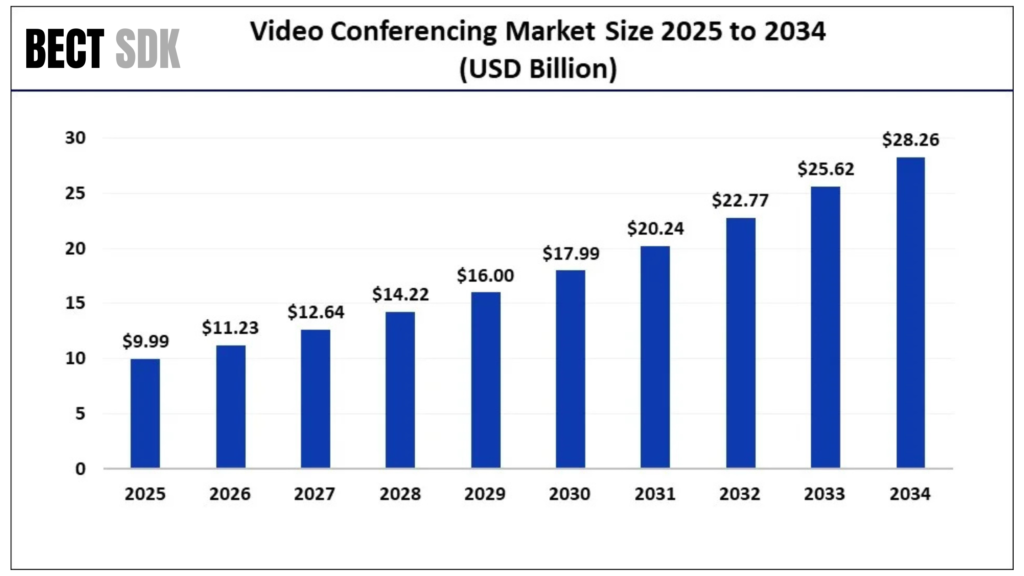
Video is no longer confined to standalone platforms or enterprise systems. Today, it is embedded directly inside web-based and application-level communication tools, including video conferencing, used by organizations and individuals alike. For many users, web and app-based video communication has increasingly replaced traditional voice calls, becoming the default method for personal, professional, and collaborative interaction.
BECT SDK applies BECT’s proprietary lossless compression technology directly within the video pipeline of an application. In practice, BECT SDK is already used within video conferencing and real-time communication applications, where stability, responsiveness, and visual clarity are critical. By reducing the video data footprint at the source, the SDK improves call reliability, lowers bandwidth consumption per participant, and maintains smooth interaction even under fluctuating network conditions. This makes it particularly well suited for embedded conferencing environments where user experience, scalability, and operational efficiency must coexist.
BECT SDK is optimized for applications where video is interactive, bidirectional, and latency-sensitive, including:
By reducing the data footprint at the source, the SDK improves reliability and scalability while maintaining the responsiveness required for live interaction.
Many embedded video applications operate over cellular, mobile, or hybrid networks, where bandwidth is limited, expensive, or inconsistent.
At the same time, modern applications increasingly rely on:
These factors significantly increase uplink and downlink demand, particularly in real-time scenarios where buffering is not viable.
BECT SDK reduces the total video data footprint while preserving quality, enabling reliable performance even in constrained or mobile environments.
BECT SDK is designed for controlled, professional deployment rather than mass plug-and-play distribution.
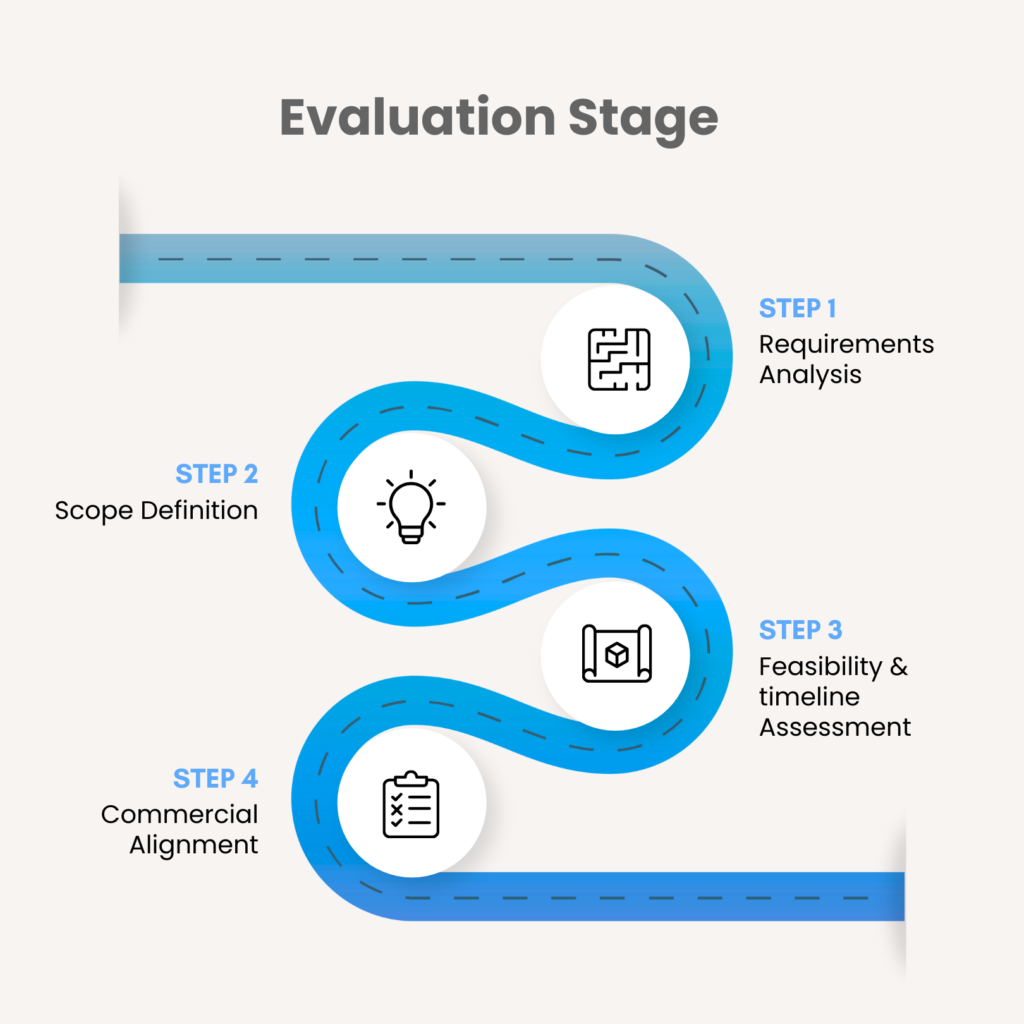
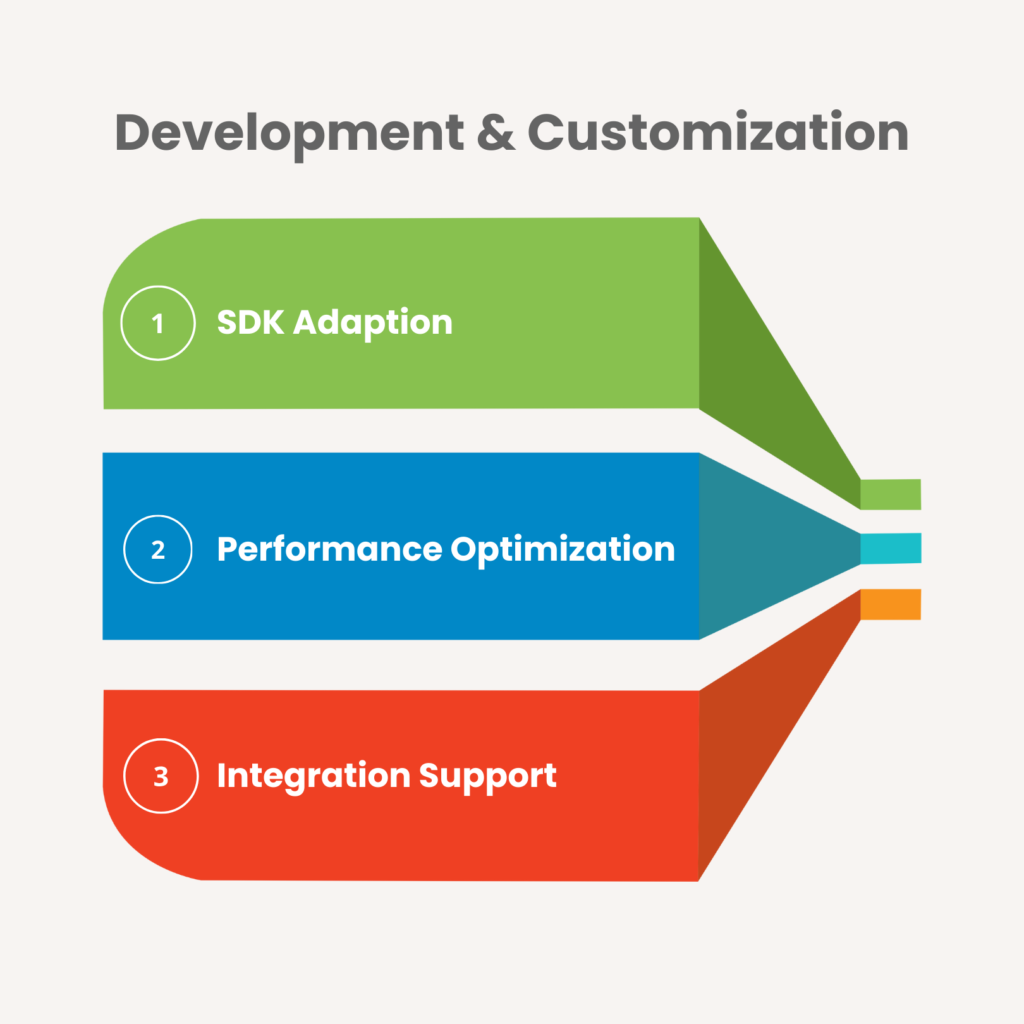
Typical integration follows a structured engagement model:
This approach ensures optimal performance, compliance, and alignment with each client’s architecture and business objectives.
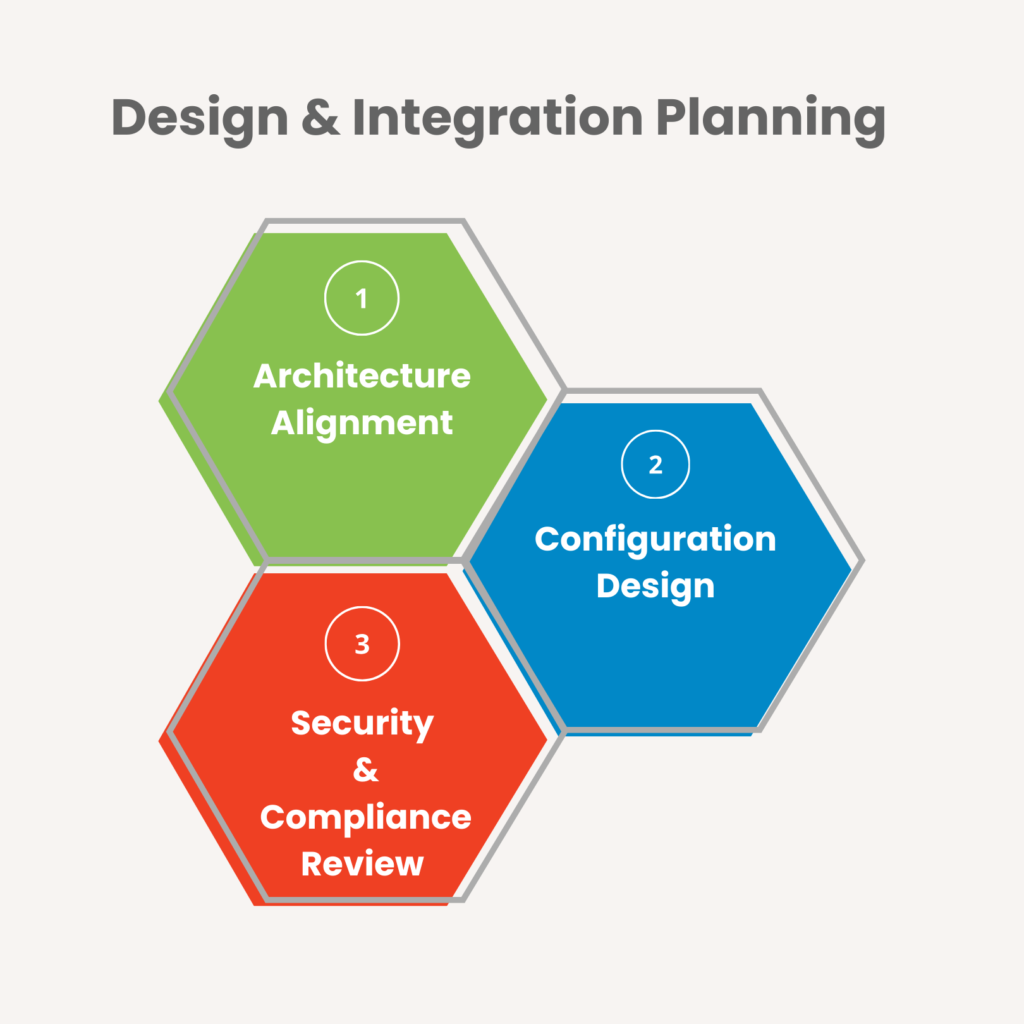
Architecture Alignment
Align SDK integration with the client’s application and video pipeline.
Configuration Design
Define SDK parameters, optimization targets, and integration approach.
Security & Compliance Review
Ensure alignment with operational, security, and compliance requirements.
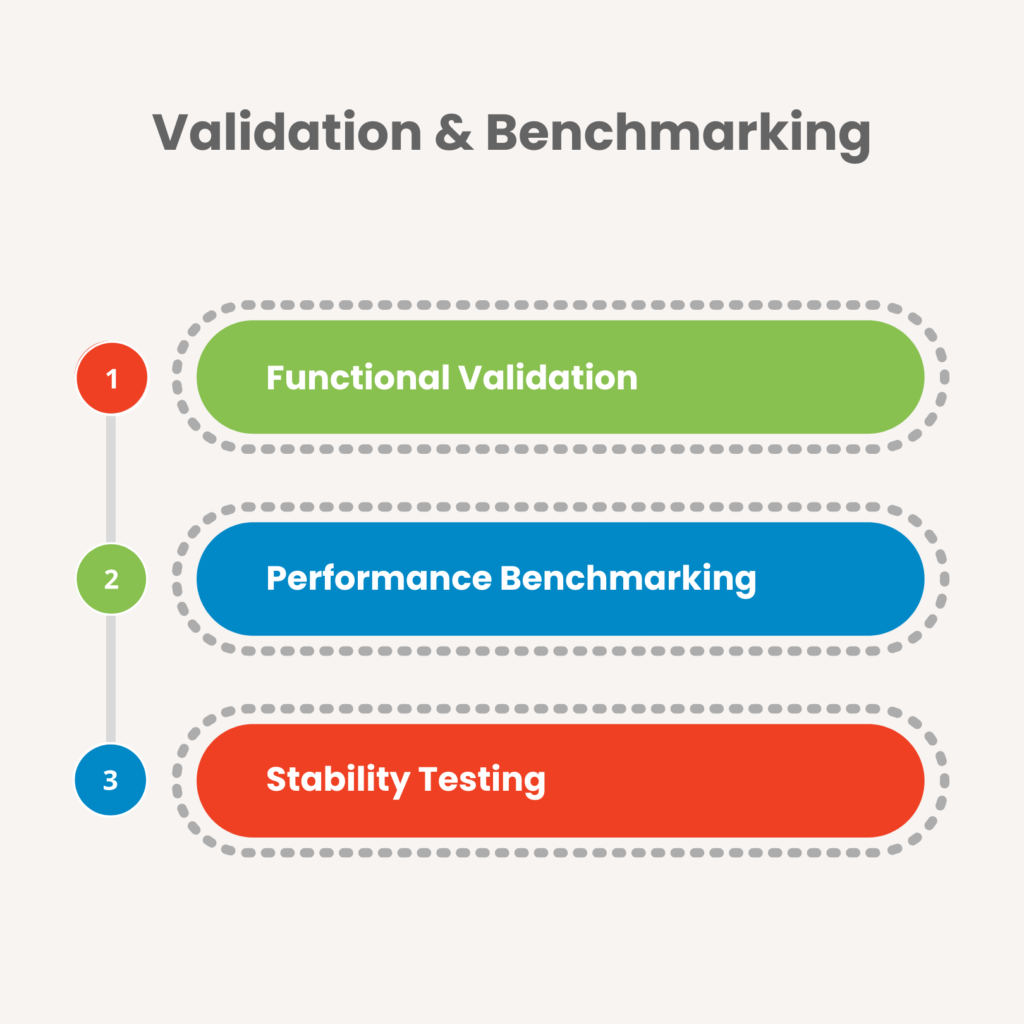
Controlled Rollout
Support phased or full-scale deployment.
Scaling & Optimization
Enable long-term performance tuning and expansion.
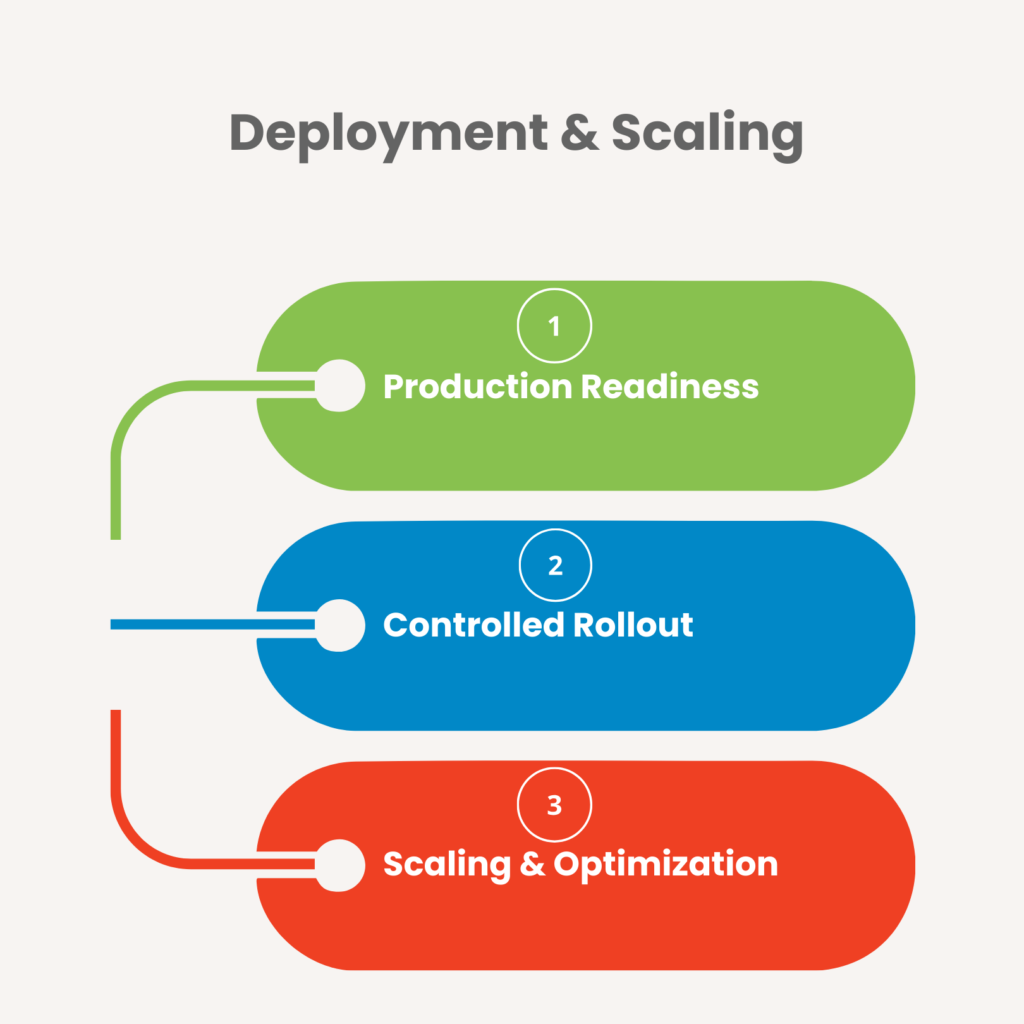
* The duration of each stage may vary depending on the complexity of client requirements and integration scope. Estimated timelines are indicative and may vary by approximately ±20%.
BECT SDK is intended for organizations that require:
Licensing and integration are handled through direct engagement, allowing flexibility across commercial, technical, and operational requirements.
As video becomes a native function inside applications rather than a standalone service, efficiency becomes a critical differentiator.
BECT SDK empowers developers and organizations to embed high-quality, real-time video while dramatically reducing data footprint, improving reliability, and lowering operational cost.
By optimizing video at the data level, BECT SDK enables scalable, sustainable, and future-ready video communication across industries.
Ready to explore further?
Take a closer look at how BECT delivers up to 80% lossless video reduction, built for environments where quality, security, and performance matter.
BECT helps organizations reduce video bandwidth and storage costs by up to 80%, without compromising quality or performance.
Take a quick look at where BECT delivers the most impact.